Social media integration focuses on creating a unified brand presence across multiple platforms. It ensures that your messaging, visuals, and tone remain consistent on Facebook, Instagram, LinkedIn, TikTok, and X (Twitter). Each platform has different content preferences, so designs and formats are optimized accordingly. Engaging posts, reels, stories, and carousels are used to maximize audience interaction. Integration helps in increasing reach and building a recognizable brand identity. Analytics tools track performance and audience behavior across channels. This data-driven approach helps improve content strategies. The goal is to keep your audience engaged wherever they are. A seamless brand experience builds trust and boosts conversions. Ultimately, it ensures your brand voice stays strong across all social platforms.

Multi-channel advertising involves running ad campaigns on several platforms simultaneously. It allows businesses to target a wider audience and maximize visibility. Customized ad creatives are designed for Google Ads, Facebook Ads, Instagram Promotions, YouTube Ads, and more. Retargeting strategies are used to convert potential leads into customers. By analyzing insights from each platform, ad performance can be optimized effectively. Budget allocation is done strategically for maximum ROI. Creative variations are tested to identify the highest-performing campaigns. Multi-channel ads improve brand awareness and drive targeted traffic. This approach ensures that your products or services stay in front of the right audience. The ultimate aim is to generate leads, increase conversions, and grow revenue.
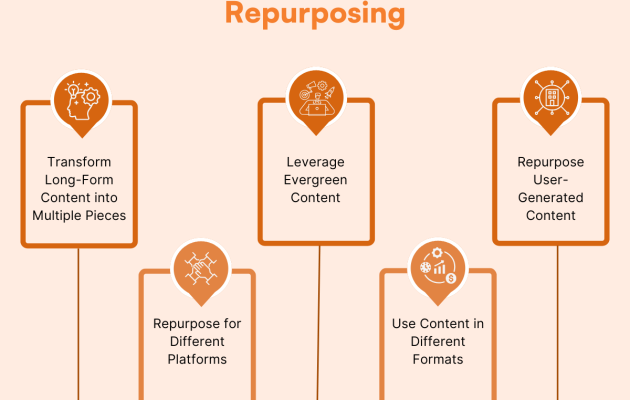
Content repurposing and optimization help businesses get the most out of their marketing efforts. A single piece of content is transformed into multiple formats for different platforms. For example, a blog post can become an infographic, a video, or a carousel for social media. Hashtags, captions, and SEO-friendly descriptions are optimized for better reach. Platform-specific trends are followed to make the content more relevant. Repurposing saves time, reduces costs, and ensures consistent brand messaging. It also increases the lifespan and visibility of your content. Audience engagement improves as content becomes more diverse and platform-friendly. This strategy helps businesses stay active without constantly creating fresh content. The goal is to maximize reach, maintain consistency, and enhance brand impact.